Editorial
Voting in the Primaries Is the Most Important Thing You Can Do for Democracy — and You Probably Aren’t Doing It


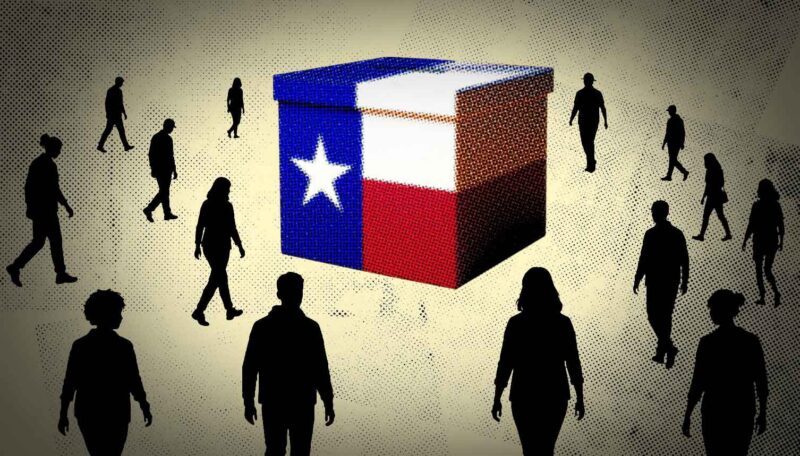
Every Election Day in November, we treat the ballot box like the main event. And sure, picking leaders then matters. But the real shaping of our democracy happens months earlier, in the quieter, low-turnout world of primary elections. That’s where the choices on the November ballot are made, and where most voters opt out, with huge consequences for representation, fairness, and the health of our political system.
Here’s the blunt reality: even though primary contests decide who represents us, they’re massively under-attended. In recent nationwide cycles, only about 20% of eligible voters show up for primary elections, meaning roughly 4 out of 5 people skip them entirely.
Why Primaries Matter More Than You Think
A primary election is how political parties narrow the field of candidates before the general election. They decide which Democrat runs, which Republican runs, and which independent or minor-party contenders might make it through.
In many parts of the country (especially where districts are heavily skewed toward one party) the general election is essentially decided in the primary. Whoever wins the dominant party’s nomination is almost guaranteed to win the November contest. That’s why political scientists say primaries exert outsized influence over who actually holds office and whose voices are heard in government.
That influence ripples outward. Candidates choose how to run based on who turns out in the primaries. If primary voters are a highly motivated, ideologically narrow group, politicians respond by catering to those voters first, often at the expense of the broader electorate’s interests.
Why do so few people vote in primaries? Yale researchers note that primary contests tend to be less familiar and seen as less relevant by the general public, even though the outcome often decides who we choose between in November.
What Happens When Too Few People Vote?
When only a fraction of the electorate participates, the candidates who emerge are often more extreme or less representative of the broader population. Research shows primary electorates tend to be older, wealthier, and more ideologically unified than average voters, meaning the voices shaping our democracy can be a skewed subset.
This can affect who gets elected, how they govern, and whether voters in the general election feel they have meaningful choices. When candidates are selected by such a narrow subset of voters, the general electorate is left choosing between options that may not reflect what most Americans want.
What Can We Do — and What’s Already Working?
First and foremost, make a plan to vote in the primaries.
Check your voter registration status and look up your state’s primary election date (rules and timelines vary widely by state). Find out whether your state has open, closed, or semi-closed primaries so you know if party registration is required to participate. Review your sample ballot ahead of time, decide whether you’ll vote early, by mail (if eligible), or on Election Day, and put a specific date and time on your calendar so your plan is concrete and easy to follow through on.
Once you’ve got your plan down pat, the next step is getting others to participate in primaries. The key here is not to guilt people. Most people don’t skip them because they’re apathetic or irresponsible. They skip them because no one ever treated them like they mattered.
One of the simplest things you can do is make primaries visible again. Tell friends when they’re happening. Text someone you trust and say, “Hey, early voting starts this week—want to go together?” Share why you vote in primaries without lecturing. Normalize the idea that November isn’t the only moment that counts. Research shows that among the strongest predictors of whether someone votes is being surrounded by friends or family who vote. This “contagious voting effect” is amplified by gentle reminders to vote—all it takes is a quick text message.
Some advocate for systemic reform that strengthens representation.
A number of states have experimented with nonpartisan or open primaries, where all voters (not just party members) can participate and all candidates compete together. These reforms have been shown to increase turnout significantly, rising from a national 21% average to 29–37% in states with nonpartisan primaries.
These approaches can make primaries feel less like a small club and more like a public forum.
Democracy Starts Before November
If we care about fair representation, accountable leadership, and a democratic system that actually reflects the will of the people, we have to stop treating primaries as an afterthought. Participating in them (by voting, by understanding the contests, by encouraging others to show up) is one of the most powerful things we can do to shape our democracy.
Think of the general election as the final score, but the primaries are the game. If only a handful of players show up, you don’t get a true contest. You get a default outcome.
And in a democracy, default outcomes belong to no one but the few who noticed.
—Alex Buscemi (abuscemi@buildersmovement.org)
Art by Matthew Lewis
Keep Reading
How NY Giants Teammates Navigated Politics Like Builders

The Good, The Bad, and What Comes Next After the Texas Runoffs